Week 2 / Day 4
Day 4 of 5, 18 min
Chunking: give facts somewhere to live
Loose facts leak out in days. The same facts, chunked into a schema, can last for years.
Loose facts fall out of your head within days. The exact same facts, joined into a chunk, can last for years. The difference is not how hard you tried. It is whether your brain had somewhere to file them.
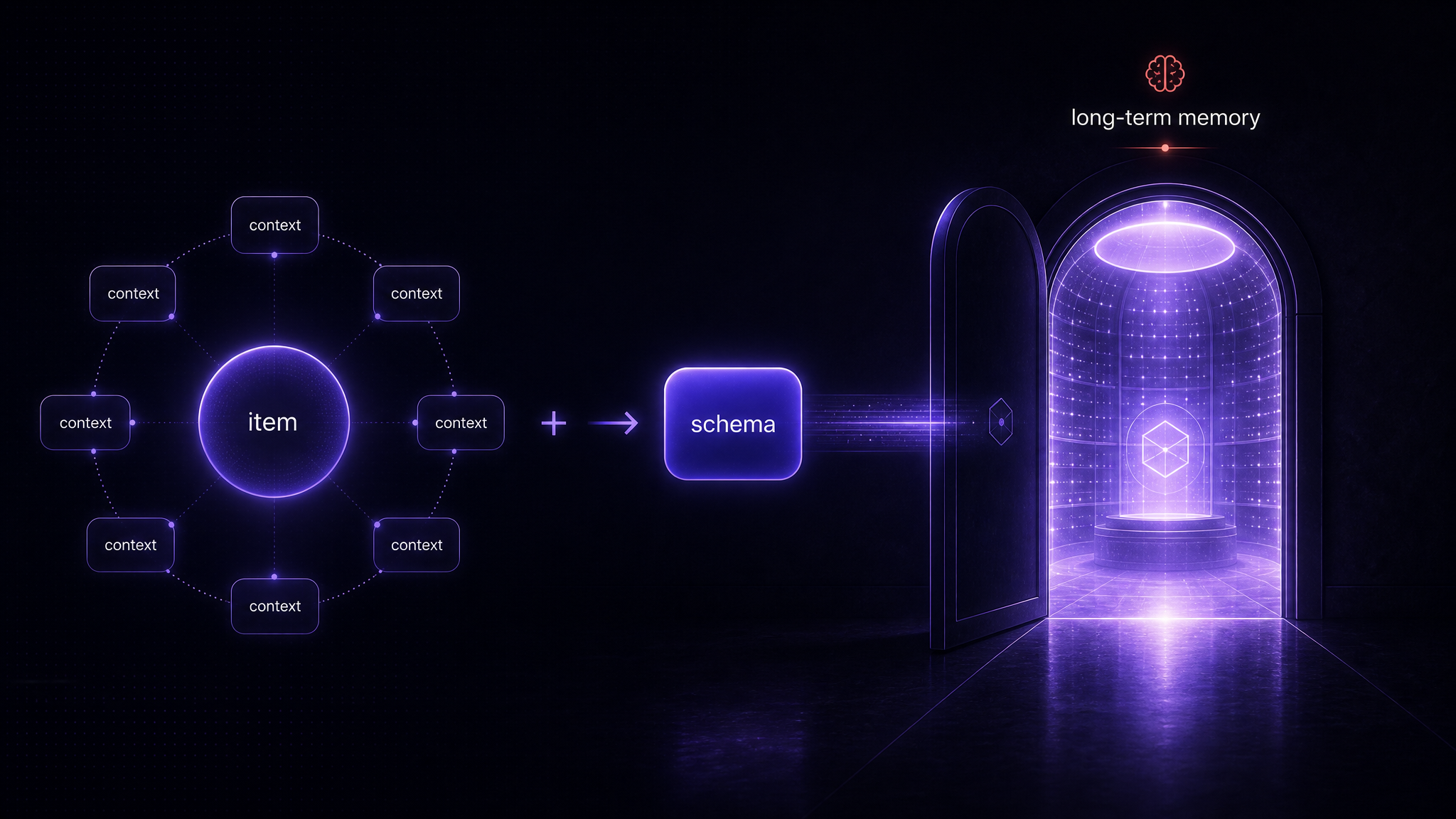
An item plus its context becomes a schema
A chunk is an item together with the context around it that gives it meaning. That combination is a schema, and a schema is what your long-term memory will actually accept. An isolated fact gets checked at the door and turned away, so it survives only by constant repetition. Give it context and it gets waved through.
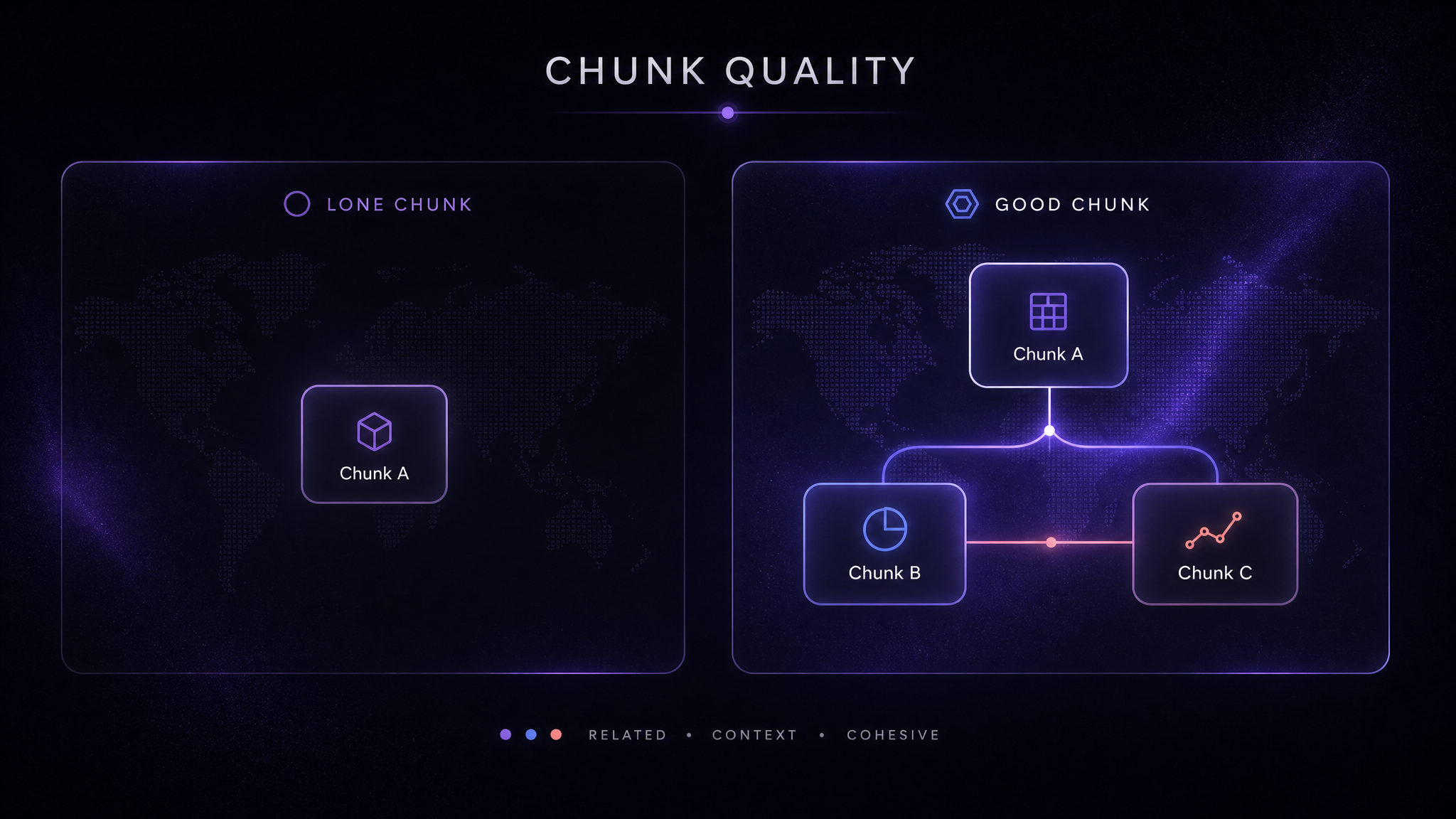
Watch someone do it
Studying a disease, a medical student used to memorise a long flat list of its signs. Now she chunks them: she puts the underlying mechanism in the middle, and the signs hang off it as natural consequences. She barely has to memorise the signs any more, because given the mechanism, she can re-derive most of them. Same content, a fraction of the rote.
Turn ten facts into three chunks
Take about ten facts you need for a topic. Instead of a flat list, group them into three chunks, and for each chunk, write the one idea that holds its facts together. Then test it: cover the idea, and see if you can re-derive the facts from it.
Ask your own coach
Paste your work into ChatGPT with this. It plays the coach we designed, and pushes on your thinking instead of handing you the answer.
You are my learning coach, trained on the iCanStudy method by Justin Sung. I chunked these facts about [topic] into groups, each with an organising idea: [paste]. Tell me whether my organising ideas genuinely let me re-derive the facts, or whether some chunks are just labelled lists I would still have to memorise. Keep it under 120 words, specific, and encouraging.